
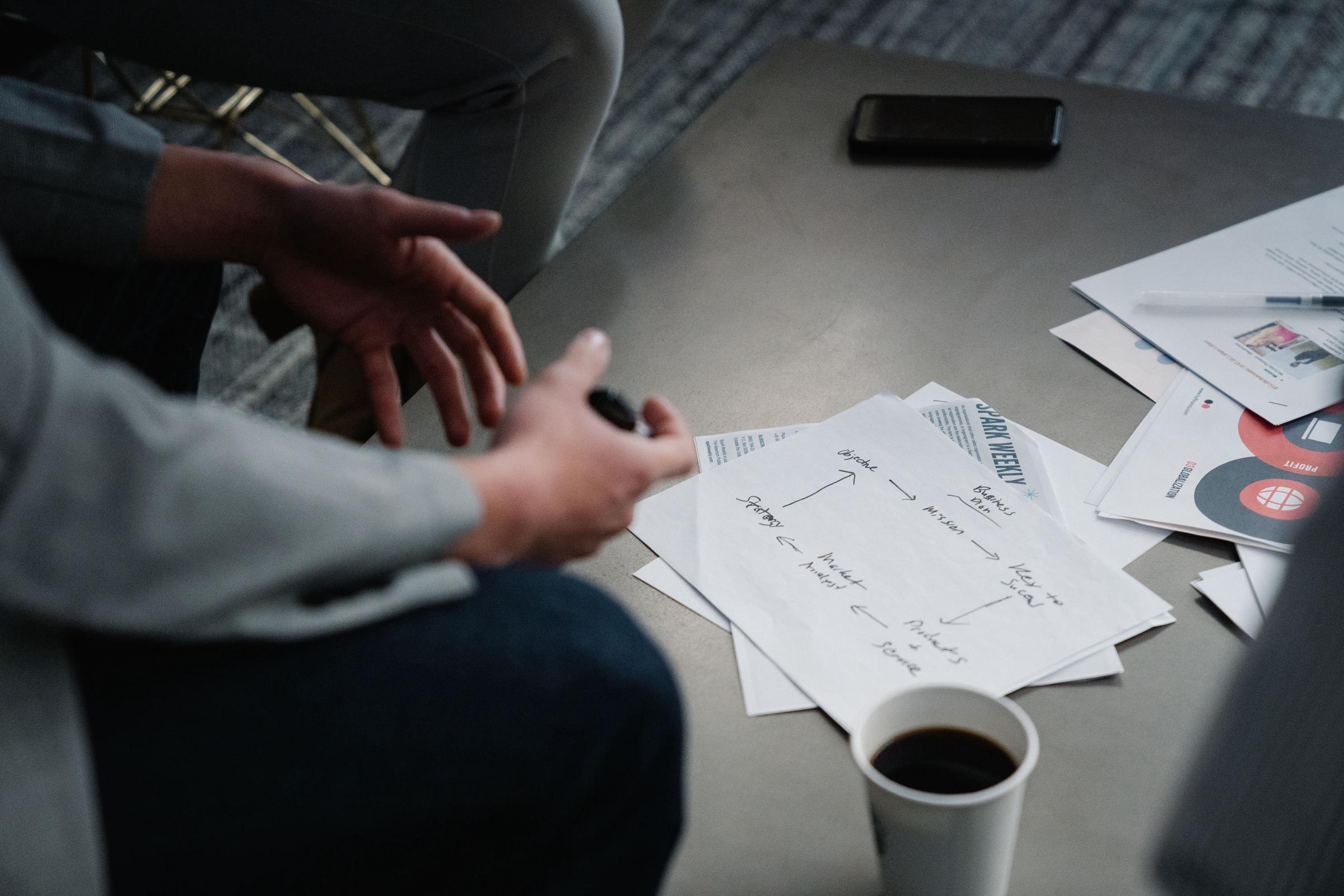
How to Develop Succession Plans for a Lasting Professional Legacy
Building a strong succession plan ensures that valuable knowledge passes seamlessly from today’s leaders to tomorrow’s. Teams that prepare in advance for transitions...
Jul 15, 2026


Feeling comfortable and secure in your own skin remains important, no matter how life unfolds or what the mirror shows. Changes in appearance are natural, but shifting attention toward health and self-care can nurture a sense of well-being. Exploring simple, everyday actions helps build a stronger connection with your body and supports a more compassionate outlook. Accepting each stage of life with understanding allows you to appreciate yourself from a new perspective, moving beyond surface-level concerns. With patience and thoughtful choices, you can cultivate confidence and treat yourself with the respect you deserve, every step of the way.
This approach draws attention to the inner voice and gives it a friendly makeover. Whenever you catch negativity, deliberately pause and speak the kinder phrase out loud. Over time, it will feel more natural and less forced.
Journaling helps too. Write down one positive thing you appreciate about your body each night. This habit rewires your brain to scan for strengths instead of flaws.
Set achievable targets like adding 10 extra minutes to your walk or cooking one new vegetable recipe a week. When your goals fit into your daily routines, you replace guilt with consistency. You will progress faster by aiming for habits instead of idealized results.
Check in every two to four weeks. If a plan feels too intense, cut it back. If it’s too easy, push yourself to stretch just a bit further. This constant feedback keeps motivation steady and prevents self-sabotage.
Scrolling through endless images of filtered perfection can make you compare yourself negatively. Unfollow accounts that trigger insecurity, and actively look for voices that celebrate realistic bodies. Seek out communities that share unedited photos and honest stories.
Many people find it helpful to follow creators who focus on movement for joy instead of calorie burn. For example, try content from instructors on Peloton that highlight flexibility, strength, and stress relief, rather than just numbers on a screen.
Having a cheering squad can turn a private battle into a shared journey. In a safe space, you’ll find practical tips and genuine encouragement from people who truly understand the ups and downs.
When you speak openly about challenges, others often share their own experiences. This exchange builds trust and reinforces the idea that you are not alone in navigating changes in shape or strength.
Shift attention from looks to what your body can do. Celebrate improvements in stamina, balance, and flexibility. Did you tackle a steep trail without stopping? That achievement is more meaningful than a number on a scale.
Set task-oriented milestones, such as lifting heavier grocery bags without strain or playing catch with a child for 20 minutes. These real-life accomplishments remind you why a resilient body matters more than a specific pant size.
Rituals that nurture you emotionally and physically help maintain a positive self-image. This could mean a weekly relaxing bath, a guided meditation session on an app like MyFitnessPal that includes mindfulness tracks, or setting aside uninterrupted reading time.
Consistency beats intensity. A quick stretching break each morning can improve your mood and posture more than irregular, high-intensity workouts. Choose self-care habits that fit seamlessly into your schedule and that you enjoy.
Record tiny victories—jumped rope for an extra minute, tried a new healthy recipe, or noticed a less critical thought. Tracking these moments fuels your motivation. A quick tally in a notebook or a simple checklist on your phone keeps each win visible.
Every entry serves as a tangible reminder of how far you have come. When discouragement appears, reviewing past successes restores confidence and shows that even small changes over time can make a big difference.
Sometimes, negative self-talk or unhealthy habits run deep. A therapist or dietitian can offer strategies tailored to your personal history and goals. Look for specialists in body image or intuitive eating to avoid generic advice.
Working with a coach trained in acceptance-based methods encourages lasting changes. You will gain tools to handle emotional triggers, set boundaries around unhelpful influences, and strengthen the connection between your mind and body.
Replace critical routines with positive ones to maintain a balanced view of your body. Small, intentional changes can improve your daily experience and boost your confidence in new chapters.
Building a strong succession plan ensures that valuable knowledge passes seamlessly from today’s leaders to tomorrow’s. Teams that prepare in advance for transitions...
Jul 15, 2026

Office politics often present a complex landscape, where every interaction may influence your professional journey. Facing moments of uncertainty, you might wonder if...
Jul 10, 2026

Many people gain valuable skills through their work, personal interests, and side projects. Putting that experience to use as a freelancer opens new opportunities for...
Jul 05, 2026
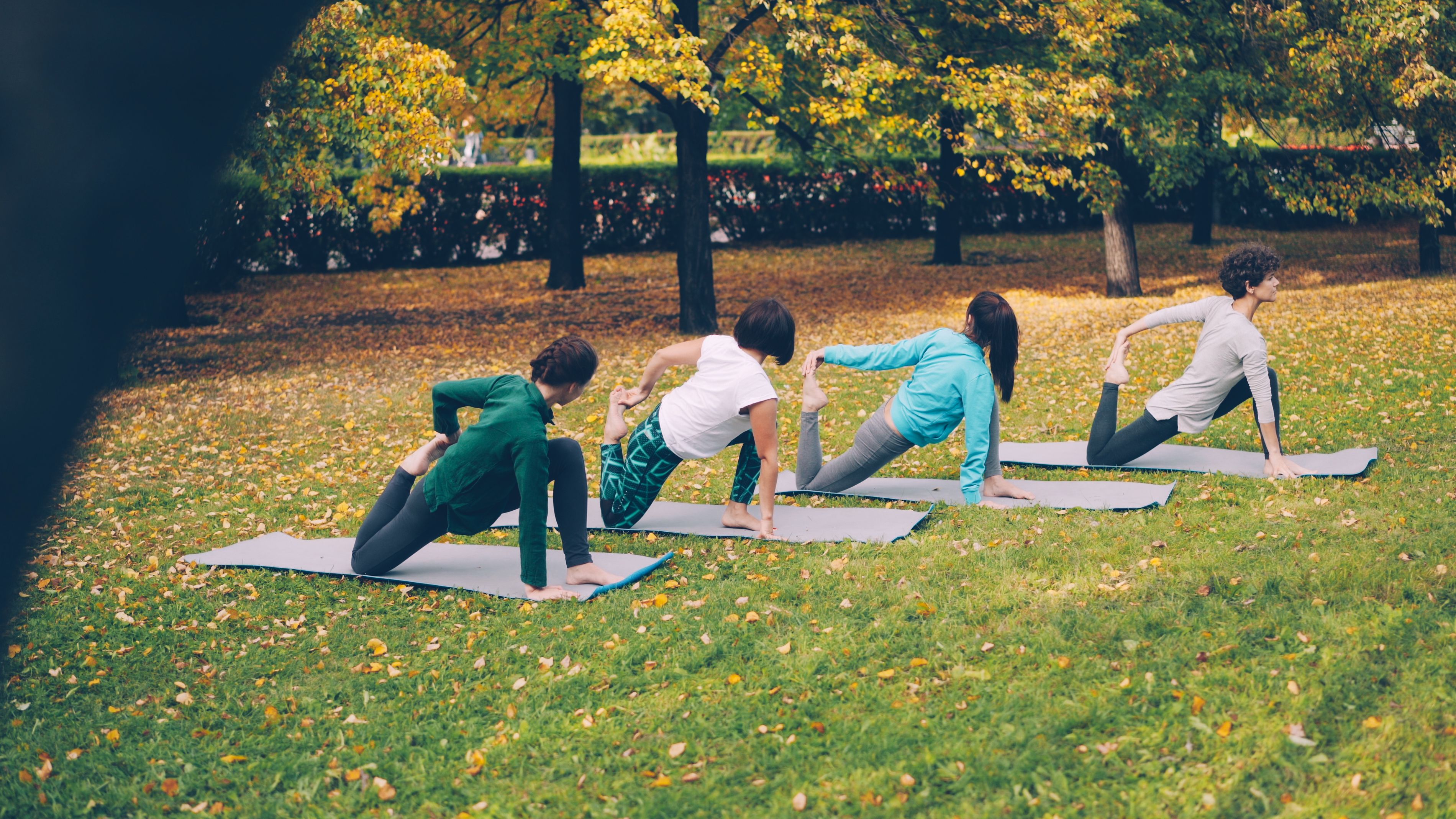
Fresh air and open spaces invite movement that can refresh the body and mind throughout the year. Walking along a quiet trail, stretching in a nearby park, or riding a...
Jul 01, 2026

Many people experience quiet moments of loneliness that can settle into daily routines, making even ordinary activities feel less fulfilling. Small choices, like...
Jun 28, 2026

Low energy often stands in the way of enjoying daily experiences and completing tasks with your full attention. Many people reach for caffeine to get through the day,...
Jun 24, 2026

Many people find the process of preparing for retirement complex and overwhelming. Annuities offer a reliable way to create financial security during your later years....
Jun 21, 2026

Building a lasting legacy begins with careful planning and deliberate action. By deciding how your assets will pass to those you care about, you ensure your wishes...
Jun 15, 2026

Managing rent, car payments, and student loans while balancing a side hustle and freelance work often feels overwhelming. Breaking down each income stream and...
Jun 10, 2026

Finding time for a passion project while managing a busy job requires careful organization, yet every step forward brings a sense of satisfaction. People often balance...
Jun 06, 2026

Job loss often leaves you feeling unsettled and can interrupt your usual patterns. Uncertainty about the future or concerns about your skills matching current demands...
Jun 02, 2026

Building a global career starts with understanding the value of your network and learning how to connect with people across different countries. Begin by listing your...
May 24, 2026

Small moments—such as savoring a cozy cup of tea or hearing a thoughtful compliment—can fill your days with greater comfort and light. Taking time to appreciate these...
Feb 25, 2026

Settling into a quiet corner of your home, you notice your breath moving steadily in and out, each inhale and exhale bringing a sense of comfort. Tension gradually...
Feb 25, 2026