

The Best Outdoor Wellness Activities for Year-Round Vitality
Fresh air and open spaces invite movement that can refresh the body and mind throughout the year. Walking along a quiet trail, stretching in a nearby park, or riding a...
Jul 01, 2026

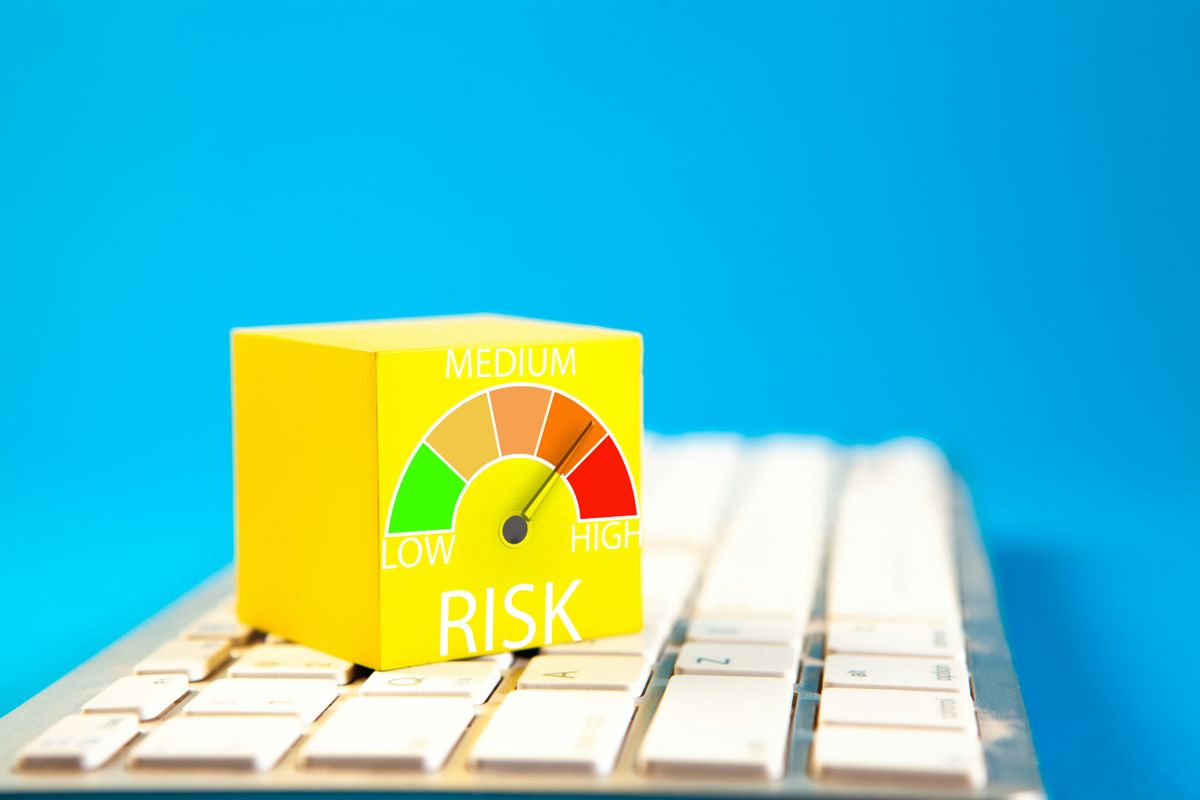
Finding the right balance between potential gains and possible losses often feels challenging. This guide offers straightforward ways to help you weigh risk and reward with more confidence. You will discover practical tools and real-life examples that make it easier to align your decisions with your personal goals, whether you focus on building steady income or growing your resources over time. By exploring these easy-to-follow approaches, you can make choices that suit your comfort level and ambitions. Every section aims to give you useful insights that you can apply immediately to your own financial plans.
Each section digs into a proven method with clear steps. You’ll walk away knowing how to use diversification, model your assets, apply risk filters, read returns by risk, and manage your own behavior.
Risk means the chance you might lose money on an investment. Reward is the payoff you expect if things go well. Stocks, for instance, can swing up or down in value quickly. Bonds tend to change more slowly but pay less in interest. Recognizing these traits helps you match choices to your needs.
Consider an example from a retirement plan. If you have 30 years until you stop working, you might accept ups and downs in stocks because you have time to recover. With five years left, you would lean toward safer bonds so that a sudden drop doesn’t derail your plan. Knowing your timeline and comfort level makes this comparison straightforward.
Spreading your money across different types of investments reduces the impact of a big loss in any single one. You avoid putting all your savings on a single bet.
Imagine you hold only energy stocks and that sector takes a hit. You would see a big drop. If you owned consumer goods and utilities too, those might stay steady and soften the loss. That’s the power of spreading out.
Review your mix at least once a year. A list of target percentages can guide you back if market moves push one investment above your ideal range.
Asset allocation uses models to assign portions of your portfolio to different risk levels. It helps you keep a consistent plan instead of reacting to news.
Follow these steps to stay on track without guessing. If stocks surge and now make up 70% of your account, rebalancing sells some shares and buys bonds to restore balance. This process locks in gains and returns you to your intended risk level.
This approach benefits both hands-off savers working with an advisor and investors managing their own accounts using online planning tools. It keeps your plan clear and measurable.
Tools such as stop-loss orders, trailing stops, and option collars help you limit how much you lose on a single holding. They don’t guarantee results but set clear exit rules.
If you buy a share at $50 and set a stop-loss at $45, your position automatically sells if it drops to that level. A trailing stop moves up as the price rises, locking in gains. An option collar uses put and call options to keep your losses and gains within certain limits.
Apply these tools best by deciding on rules ahead of time. Emotional selling happens when you panic during a drop or hold on too long when the market turns. Automated triggers remove some of those emotions.
Test these strategies on a small scale first. Try a stop-loss with 10% of your allocation to see how it performs during volatility. You’ll learn how it can protect you during rapid market changes.
Focusing solely on returns ignores the fluctuations behind them. Metrics like the Sharpe ratio measure the reward earned per unit of risk you take. A higher Sharpe ratio indicates you gained more for each point of volatility.
Another common metric, Treynor ratio, uses market risk rather than total risk for a different perspective. You can find these numbers on many fund research websites. Compare similar funds not just by their total return but also by these ratios.
If one fund returns 8% with wild swings and another returns 7% with steadier moves, you might prefer the steadier option if you value calm. Using risk-adjusted data prevents you from chasing big numbers that hide significant drops.
Set a minimum threshold for the Sharpe ratio, such as 1.0, when screening funds. This simple rule guides you toward more consistent performers.
We often buy when prices rise and sell when they fall because our emotions influence us. Recognizing these pitfalls helps you stick to your plan. Write down why you choose each investment and review this before making changes.
Use tools to remind yourself of your long-term goal. A monthly email showing your progress or an alarm prompting a quarterly review can prevent impulsive reactions. Work with an accountability partner or a trusted advisor who reviews your decisions with you.
Practice a cooling-off period. If you feel the need to act after reading a news headline, wait 48 hours before making any moves. This pause gives you time to see if the initial reaction fades once the shock subsides.
Finally, revisit your plan each year. Major life changes—such as marriage, a new child, or a career move—can alter your risk tolerance. Updating your plan keeps you confident and in control.
Combine these methods to create a plan that suits your timeline and personality. Gain clarity about potential gains and control over possible losses.
Apply clear rules and check your progress regularly to make balancing investments easier. Begin small, learn from experience, and adjust your approach as needed. This will boost your confidence in managing your financial journey.
Fresh air and open spaces invite movement that can refresh the body and mind throughout the year. Walking along a quiet trail, stretching in a nearby park, or riding a...
Jul 01, 2026

Many people experience quiet moments of loneliness that can settle into daily routines, making even ordinary activities feel less fulfilling. Small choices, like...
Jun 28, 2026

Low energy often stands in the way of enjoying daily experiences and completing tasks with your full attention. Many people reach for caffeine to get through the day,...
Jun 24, 2026

Many people find the process of preparing for retirement complex and overwhelming. Annuities offer a reliable way to create financial security during your later years....
Jun 21, 2026

Building a lasting legacy begins with careful planning and deliberate action. By deciding how your assets will pass to those you care about, you ensure your wishes...
Jun 15, 2026

Managing rent, car payments, and student loans while balancing a side hustle and freelance work often feels overwhelming. Breaking down each income stream and...
Jun 10, 2026

Finding time for a passion project while managing a busy job requires careful organization, yet every step forward brings a sense of satisfaction. People often balance...
Jun 06, 2026

Job loss often leaves you feeling unsettled and can interrupt your usual patterns. Uncertainty about the future or concerns about your skills matching current demands...
Jun 02, 2026

Building a global career starts with understanding the value of your network and learning how to connect with people across different countries. Begin by listing your...
May 24, 2026

Small moments—such as savoring a cozy cup of tea or hearing a thoughtful compliment—can fill your days with greater comfort and light. Taking time to appreciate these...
Feb 25, 2026

Settling into a quiet corner of your home, you notice your breath moving steadily in and out, each inhale and exhale bringing a sense of comfort. Tension gradually...
Feb 25, 2026

Fresh air and natural surroundings can quickly brighten your mood and refresh your mind. Simple moments like feeling the sun on your skin or enjoying a gentle breeze can...
Feb 23, 2026

Drawing clear lines in relationships may seem challenging initially, but it helps build stronger trust and respect between people. You may feel hesitant to express your...
Feb 21, 2026

Many people reach a point where familiar routines and responsibilities begin to change, especially during midlife. This period often prompts reflection as...
Feb 19, 2026